December 4, 2025
This article explores the various methods of snow removal, analyzing their effectiveness, costs, environmental impacts, and suitability for different scenarios. By understanding the pros and cons of each method, individuals and municipalities can make informed decisions about snow removal strategies. Winter weather can create significant challenges, and choosing the right method is crucial for maintaining safety and accessibility. The methods covered include traditional shoveling, mechanized snow blowers, heavy-duty plows, and preventive brine treatments. Each approach offers distinct advantages and disadvantages, depending on the context in which they are used.
Shoveling: The Traditional Approach
Shoveling remains a staple method for snow removal, especially in residential areas. Its effectiveness is mostly in smaller spaces where maneuverability is crucial. However, shoveling becomes less practical as snowfall becomes heavier, challenging the endurance of those responsible for clearing the paths. According to Newsweek, even snowfall in the 2 to 4-inch range can create hazardous conditions, underscoring the importance of timely removal. For larger areas, or in cases of heavy and repeated snowfalls, shoveling can be both time-consuming and physically demanding.
The physical demands of shoveling are not to be underestimated. Cold temperatures and the weight of accumulated snow can make this task hazardous, particularly for those with health issues. Proper attire and frequent breaks are essential to safeguard against hypothermia and musculoskeletal injuries. It's important to prioritize safety, using ergonomically designed shovels to minimize strain on the back and shoulders. Awareness of health risks helps in taking preventive measures, such as stretching and using proper techniques.
Shoveling is cost-effective in straightforward financial terms, as it requires minimal equipment purchase. However, hidden costs exist in the form of potential medical expenses and lost time due to injuries. The eco-friendly nature of shoveling is a strong point, as it involves no emissions or environmental disturbances. Efficient shoveling involves starting early and working in increments, avoiding excessive strain. Utilizing proper body mechanics can make this task less arduous and help prevent injuries.
Snow Blowers: Mechanized Assistance
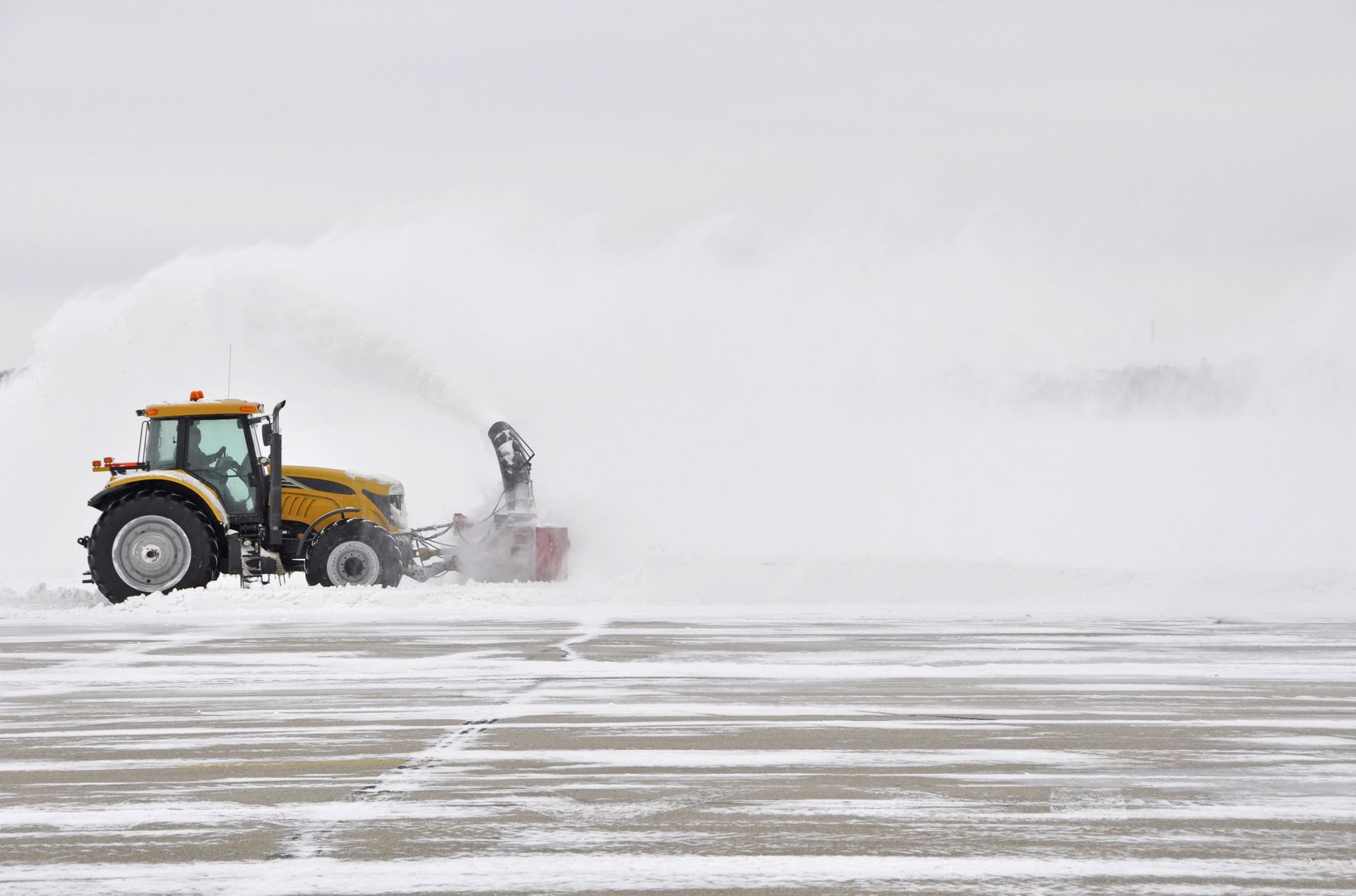
Snow blowers offer a powerful alternative to traditional shoveling, particularly in larger residential areas. They typically handle moderate to heavy snowfall more effectively than manual efforts. By quickly removing snow from walkways and driveways, they save time and physical effort. With the right model, even compacted or icy layers can be tackled efficiently. However, selecting the right size and capacity of a snow blower is essential for maximizing its effectiveness.
The costs associated with snow blowers are notably higher than shoveling, starting with an initial investment for the machine itself. Operating costs include fuel, maintenance, and potential repair services. Regular upkeep is necessary to ensure longevity and reliable performance, requiring a commitment to routine checks and maintenance. Despite these costs, the time saved and convenience provided can justify the expense for many homeowners. Considering durability and quality when purchasing can mitigate long-term costs.
Environmental concerns with snow blowers focus mostly on emissions and noise pollution. Gasoline-powered models contribute to air pollution, whereas electric models offer a quieter and cleaner alternative. Technological advancements have led to improvements, with newer models emitting fewer pollutants. Safety guidelines emphasize the need for protective gear and cautious operation to prevent accidents. These machines require training and adherence to safety practices, especially for those unfamiliar with their operation.
Snow Plows: Heavy Duty for Public Roads
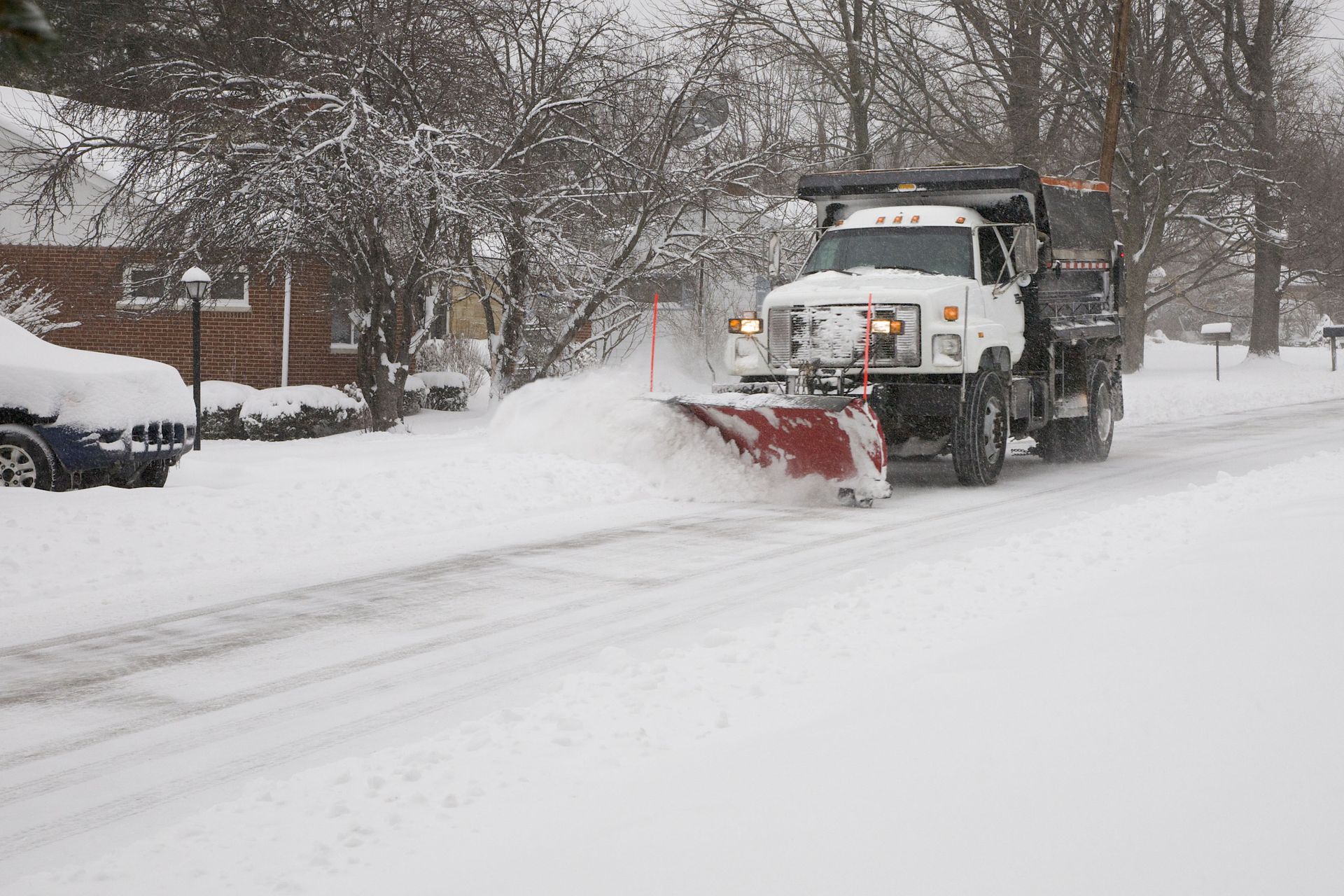
Snow plows are vital for clearing major roadways and highways, ensuring accessibility during severe winter weather. Municipalities depend on fleets of plows to manage public infrastructure with efficiency. Plows are unmatched in handling heavy snowfall, where other methods might struggle. Their effectiveness extends to large parking lots and community spaces that demand swift clearing. However, logistical coordination and manpower are crucial for optimal deployment.
The economic implications of deploying snow plows involve considerable expenditure for cities and towns. Maintaining a fleet includes costs for vehicle purchase, fuel, and ongoing maintenance. Budget allocations must account for plow readiness during snow events, ensuring timely responses. Economically, the efficiency gained can offset these expenditures, reducing disruptions and maintaining public safety. Municipal budgeting must balance between cost constraints and readiness for severe weather events.
While beneficial for snow clearance, plows can impact road infrastructure and the surrounding environment. Repeated plowing can damage surfaces, requiring subsequent repairs. Additionally, debris and salt spread by plows can affect vegetation and ecosystems nearby. Innovations in plow design aim to minimize such impacts by employing materials that reduce friction and distribute weight differently. Compared to alternatives, plows stand out for speed but pose challenges in environmental stewardship and infrastructure wear.
Brine: Preventive Measures
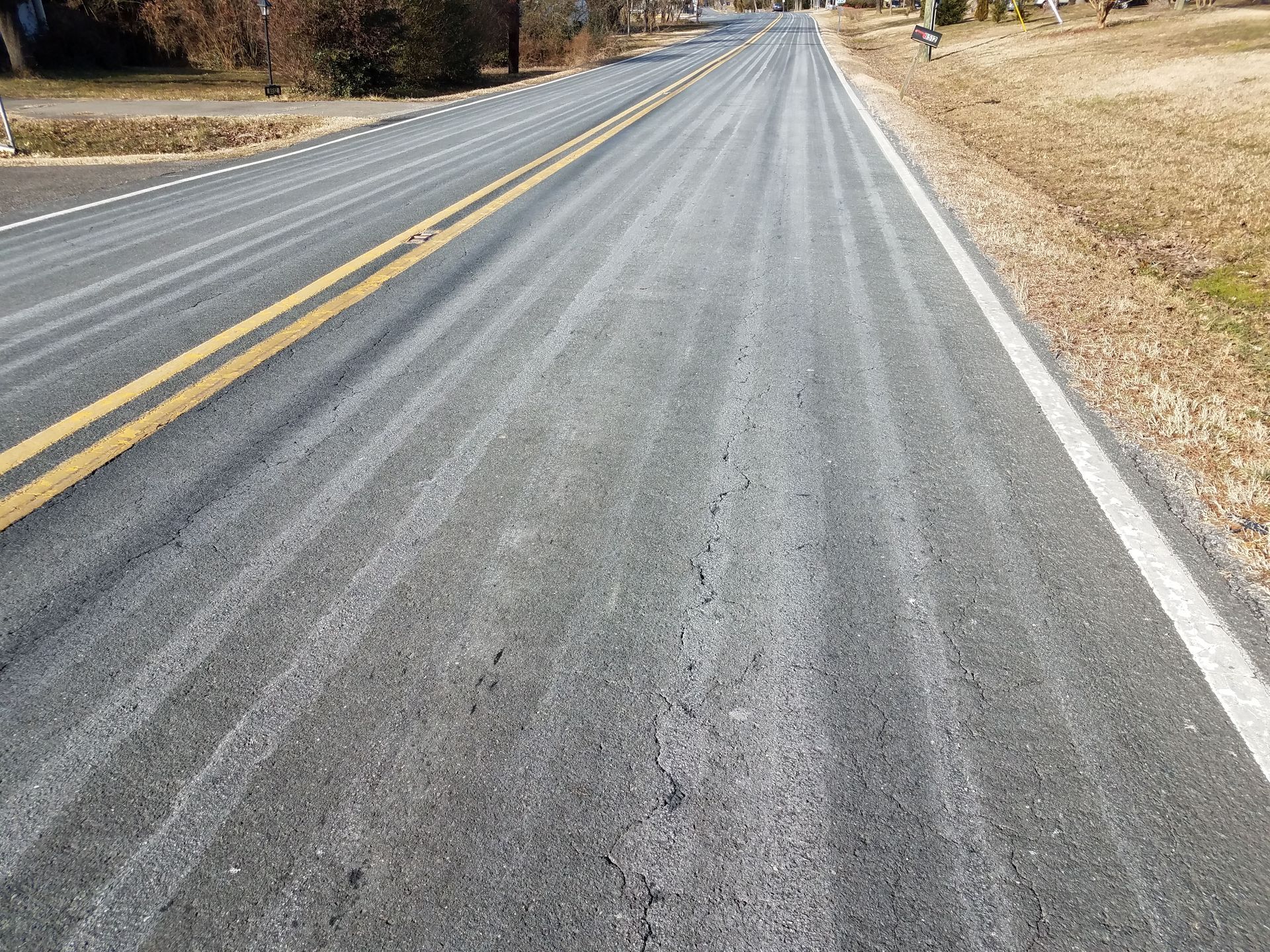
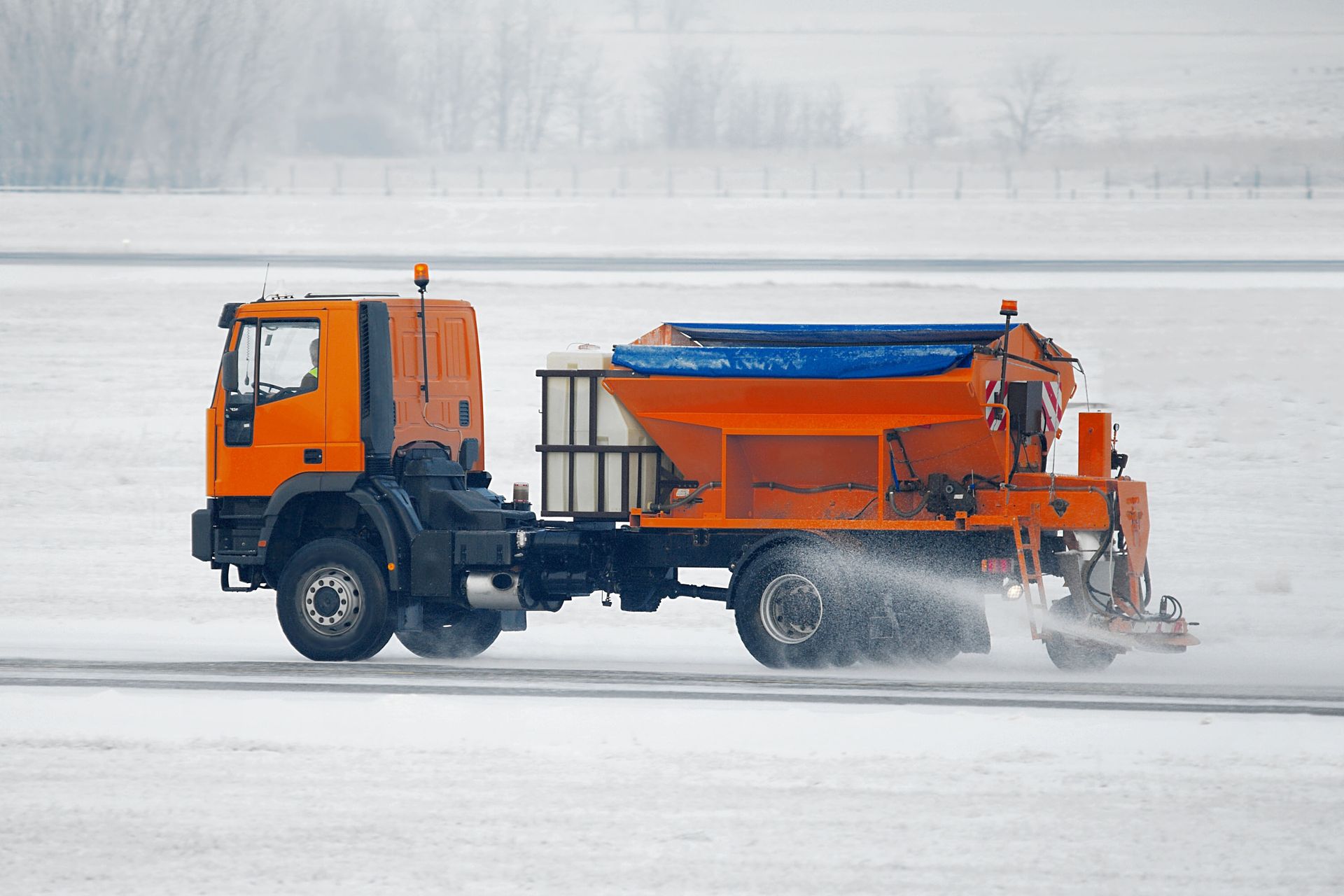
Brine application serves as a preventive measure by reducing snow and ice adhesion on surfaces. When applied ahead of a storm, it prevents bonds from forming between ice and pavement, allowing for easier removal. Brining is particularly effective in mitigating hazards associated with freezing rain or sleet, which can lead to treacherous road conditions. Applying brine requires technique and timing for it to be effective without wastage. It represents a proactive approach to winter weather management.
Financially, the use of brine involves both costs and potential savings. While it demands an initial investment in equipment and materials, it can significantly reduce the need for subsequent snow removal efforts. This method can decrease the wear and tear on plowing equipment, saving municipalities money over time. Understanding the balance of application costs versus removal savings helps determine its practicality. A strategic integration into winter management plans can enhance overall efficiency and reduce labor costs.
Despite benefits, the environmental impact of brine, particularly salt-based solutions, raises concerns. Salt runoff can harm aquatic ecosystems and affect vegetation along roadsides. Innovations in brine composition seek to reduce these effects, developing formulas less harmful to the environment. Emphasizing sustainability, new solutions continue to evolve for public acceptance and ecological balance. The combination of brine with other removal methods offers a comprehensive strategy for winter weather challenges.
Choosing the Right Method for Different Scenarios
The effectiveness of each snow removal method varies based on the specific needs and context. For residential areas with smaller lots, shoveling or a small snow blower might suffice. In contrast, municipalities managing extensive road networks benefit from plows and brine applications. Tailoring the approach ensures cost efficiency and meets the specific demands of each environment. Understanding the unique requirements allows for a targeted strategy, optimizing resources, and resolving challenges effectively.
Balancing cost and efficiency involves assessing both short-term expenses and long-term outcomes. Investing in mechanized solutions or brine applications might incur upfront costs, but deliver substantial savings and effectiveness in the long run. Evaluating the frequency and severity of snow events helps determine the most appropriate investment. Efficiency should be weighed against the budget constraints and anticipated weather patterns. By considering these factors, informed decisions can optimize effectiveness and financial commitment.
Environmental considerations play a pivotal role in selecting snow removal strategies. While immediate needs drive the urgency to clear paths, longer-term impacts on ecosystems and surfaces must be factored in. Striking a balance between rapid removal and environmental stewardship is essential for sustainable practices. Awareness of ecological impacts drives innovation in materials and methods that minimize harm. Prioritizing both effectiveness and environmental care ensures responsible practices align with community values.
The choice of snow removal methods depends on various factors, including area size, budget, environmental concerns, and personal or municipal preference. Each method—shoveling, snow blowers, plows, and brine applications—brings unique advantages and challenges. By understanding the benefits and drawbacks of each, informed and effective decisions can be made, ensuring safe and accessible environments during the winter months. Emphasizing sustainability and innovation will guide future efforts in snow management, balancing immediate needs with long-term impacts. Do you need to get ready for snow removal this season? Contact the professionals at Brine Worx Equipment Sales today!