February 4, 2026
Winter weather creates hazardous conditions, from icy roads to slippery sidewalks, making deicing essential for safety and accessibility. Among the most common solutions are brine and rock salt, each with distinct advantages and limitations. Understanding their chemical properties, cost, environmental impact, and performance in various conditions is crucial for making informed choices. Additionally, ensuring that all application systems are well-maintained through brine equipment service guarantees consistent results and reduces downtime. This article explores how brine and rock salt work, their effectiveness, and why proper equipment maintenance is a critical part of winter preparedness.
Examine the Science Behind Deicing
Brine and rock salt operate differently due to their chemical compositions. Rock salt, composed of sodium chloride, has been used for centuries to melt ice by lowering water’s freezing point. Brine is a liquid solution of salt and water, which allows for uniform application and immediate contact with ice. The chemical interactions of brine make it highly effective for pre-treatment, especially in preventing ice from bonding to surfaces. Proper brine equipment service ensures that sprayers, pumps, and tanks are calibrated for precise application, which maximizes efficiency and minimizes waste.
According to This Old House, rock salt is the most widely used and budget-friendly deicer, working effectively in temperatures as low as 15°F (-9°C). However, below this temperature, its performance diminishes, giving brine an advantage in extremely cold conditions. Regular brine equipment service is essential to maintain the solution’s correct concentration, ensuring that it consistently lowers the freezing point of ice for maximum effectiveness.
Evaluate Melting Points and Effectiveness
The melting point of a deicer determines its operational capacity in winter conditions. Brine begins working immediately upon contact, making it ideal for moderate temperatures and rapid-response scenarios. Rock salt works slower initially but can maintain melting over extended periods once activated. Choosing the right deicer depends on understanding these dynamics and the specific temperature range of the area being treated.
Maintaining equipment through brine equipment service allows operators to optimize brine’s performance, ensuring that application systems deliver the right amount of solution consistently. Brine’s liquid state allows it to penetrate snow layers more effectively than rock salt, which may shift under traffic or wind. In contrast, rock salt’s longevity makes it preferable for areas where repeated applications are impractical.
Assess Impact on Ice and Snow
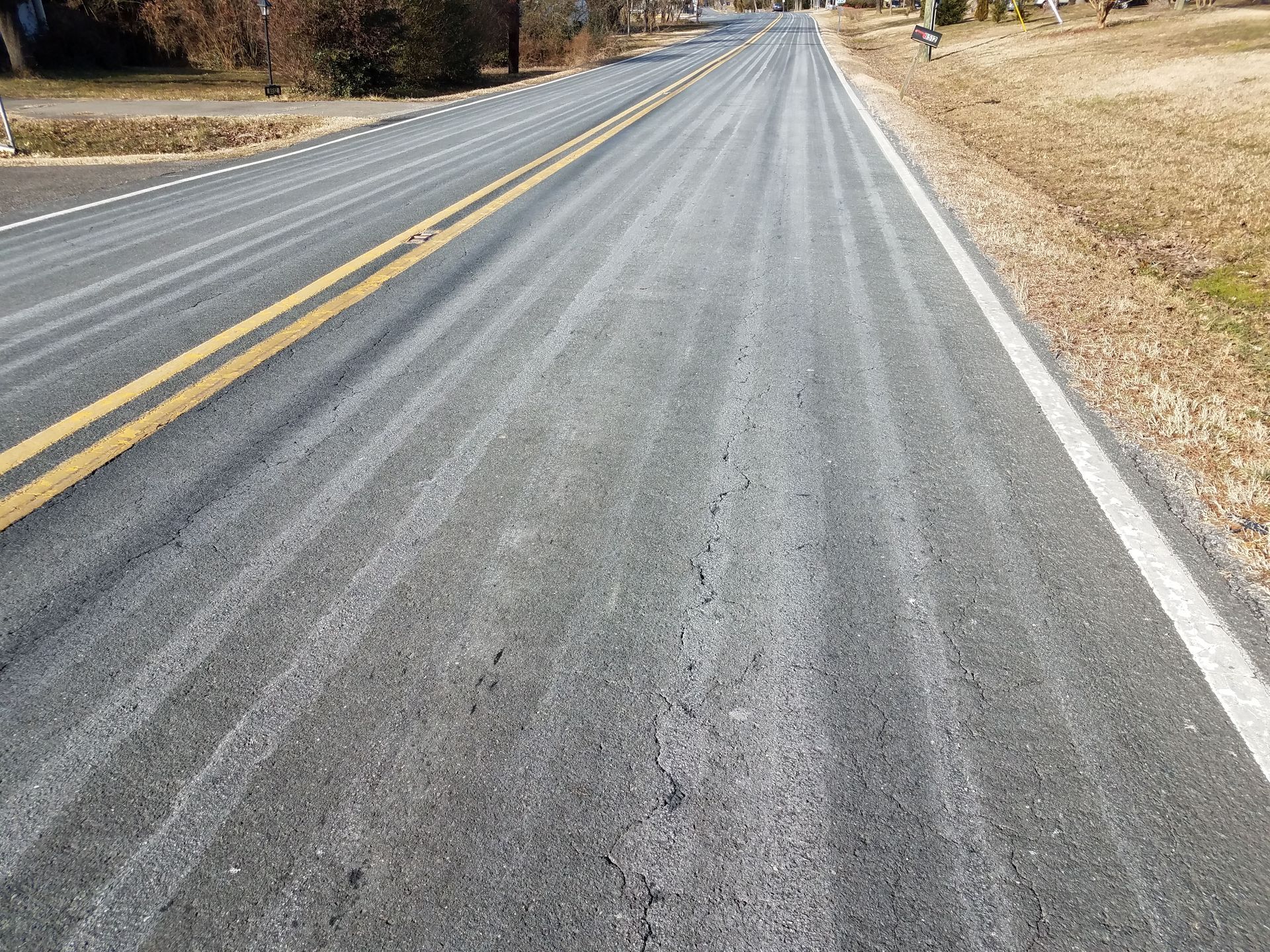
Brine and rock salt interact with ice and snow differently. Rock salt relies on moisture to activate, which can slow its initial effectiveness in dry conditions. Brine, being a liquid, spreads evenly and begins disrupting ice immediately. This difference makes brine particularly useful in proactive anti-icing strategies, while rock salt is typically applied reactively to existing ice.
Frequent brine equipment service ensures that spray nozzles, pumps, and tanks function properly, providing precise coverage to prevent ice from forming. The immediate effect of brine reduces hazardous buildup and minimizes the risk of slips and accidents, while rock salt’s delayed action can leave surfaces temporarily unsafe until activated by moisture.
Analyze Environmental and Chemical Effects
Both brine and rock salt affect the environment due to high sodium concentrations. Runoff from either can harm vegetation, alter soil composition, and increase water salinity in local waterways. Brine application, while more precise, can still impact surrounding ecosystems if used excessively. Mitigating environmental effects requires careful monitoring and proper use of application systems, supported by consistent brine equipment service.
By maintaining brine equipment, operators can prevent over-application and reduce environmental impact. Regular service checks prevent leaks, clogs, and uneven dispersal, ensuring that deicing remains efficient while minimizing harm to soil, plants, and aquatic life.
Consider Effectiveness in Different Conditions
Temperature and precipitation significantly influence deicer performance. Rock salt remains effective down to 15°F (-9°C) but loses efficiency in colder extremes. Brine provides consistent performance across a broader range of temperatures and is particularly effective for pre-treatment, creating a protective layer that prevents ice from bonding to surfaces. Brine equipment service is crucial for ensuring that the liquid solution maintains proper concentration and reaches all targeted areas effectively.
The speed of action also matters. Brine’s immediate effect makes it ideal for high-traffic areas, while rock salt provides durability over time. Properly serviced brine systems guarantee that operators can apply solution quickly and consistently, maximizing safety in rapidly changing conditions.
Review Longevity of Effect
Longevity is a key consideration for winter maintenance. Rock salt’s granules embed in ice and snow, providing prolonged melting over time. Brine, being liquid, may require reapplication during heavy snowfall to maintain its effectiveness. Scheduling brine equipment service ensures that pumps, hoses, and nozzles deliver consistent coverage, which helps sustain brine’s protective layer on treated surfaces.
By understanding how long each deicer remains effective, businesses and municipalities can plan applications strategically, balancing labor, material costs, and safety. Serviced brine systems reduce downtime and prevent uneven coverage, making brine a reliable solution in areas requiring frequent treatment.
Examine Performance in Heavy Snow
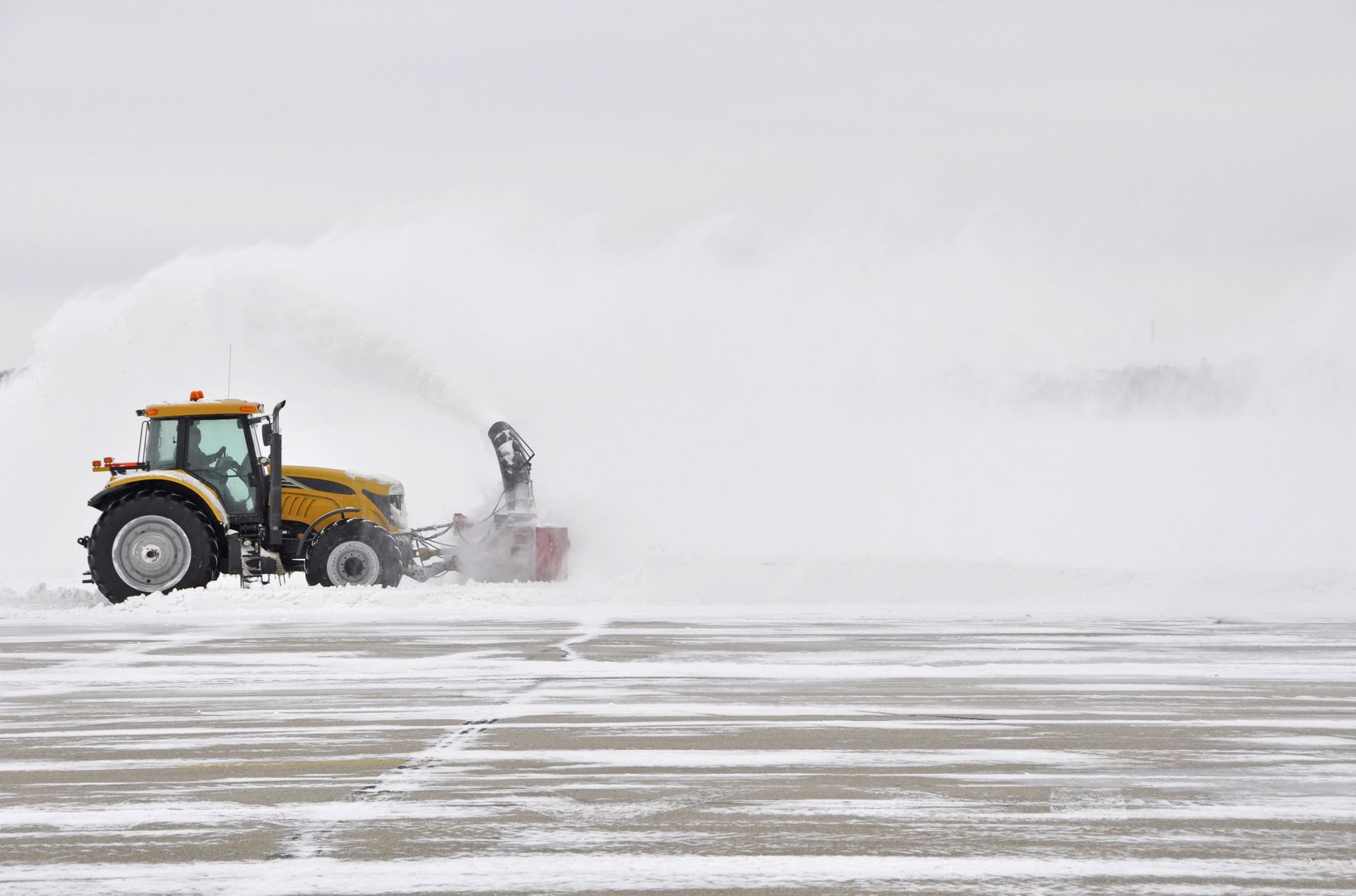
Heavy snowfall challenges the performance of both brine and rock salt. Rock salt’s weight allows granules to penetrate thick snow layers and maintain contact, whereas brine may need repeated applications to cover deep snow adequately. For areas prone to intense winter storms, combining pre-treatment with brine and follow-up with rock salt often provides the best results.
Consistent brine equipment service ensures that spray systems operate efficiently during prolonged snow events. Properly maintained equipment guarantees full coverage and prevents equipment failure, which is critical when rapid application is required during heavy snowfall.
Explore Application Techniques and Coverage
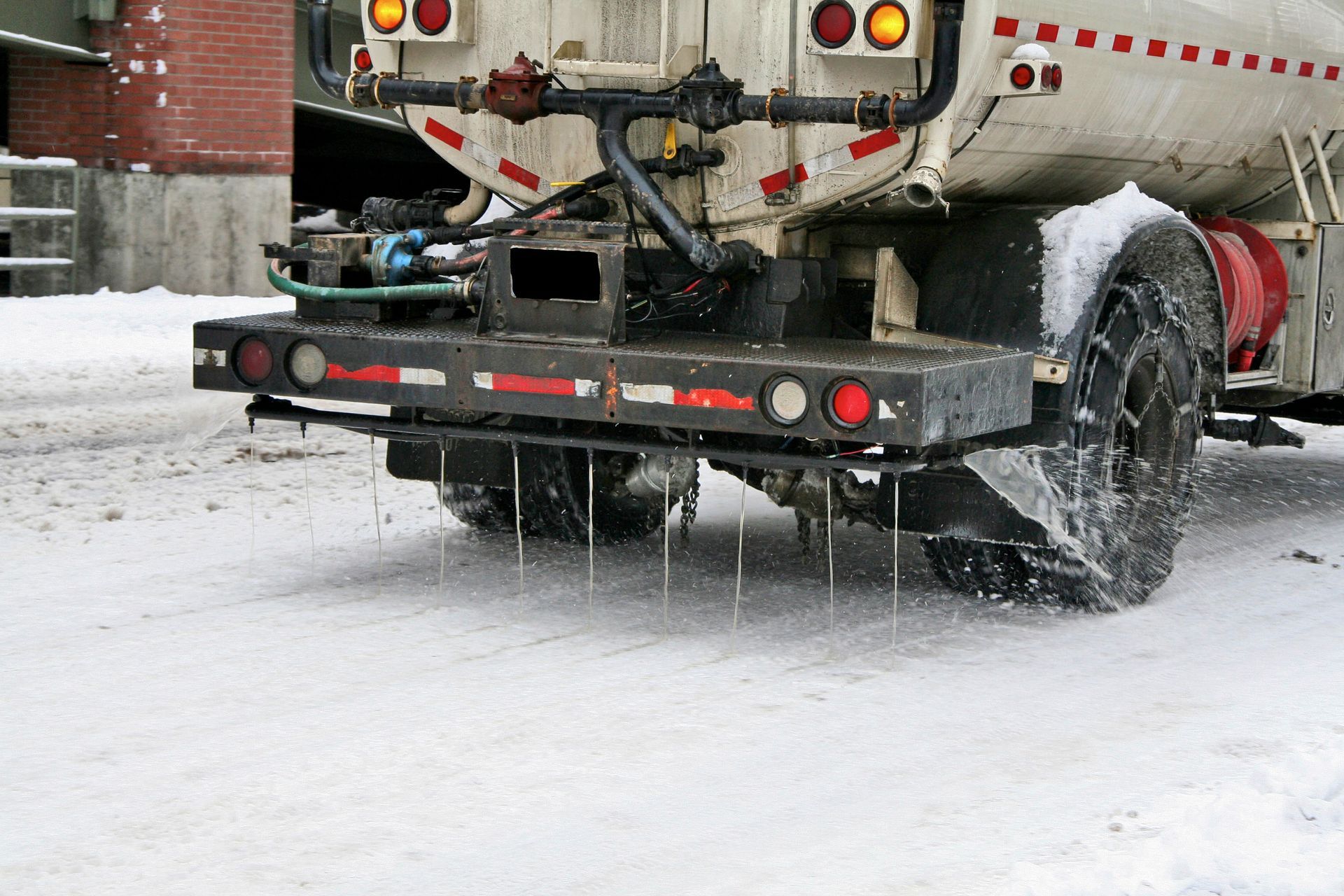
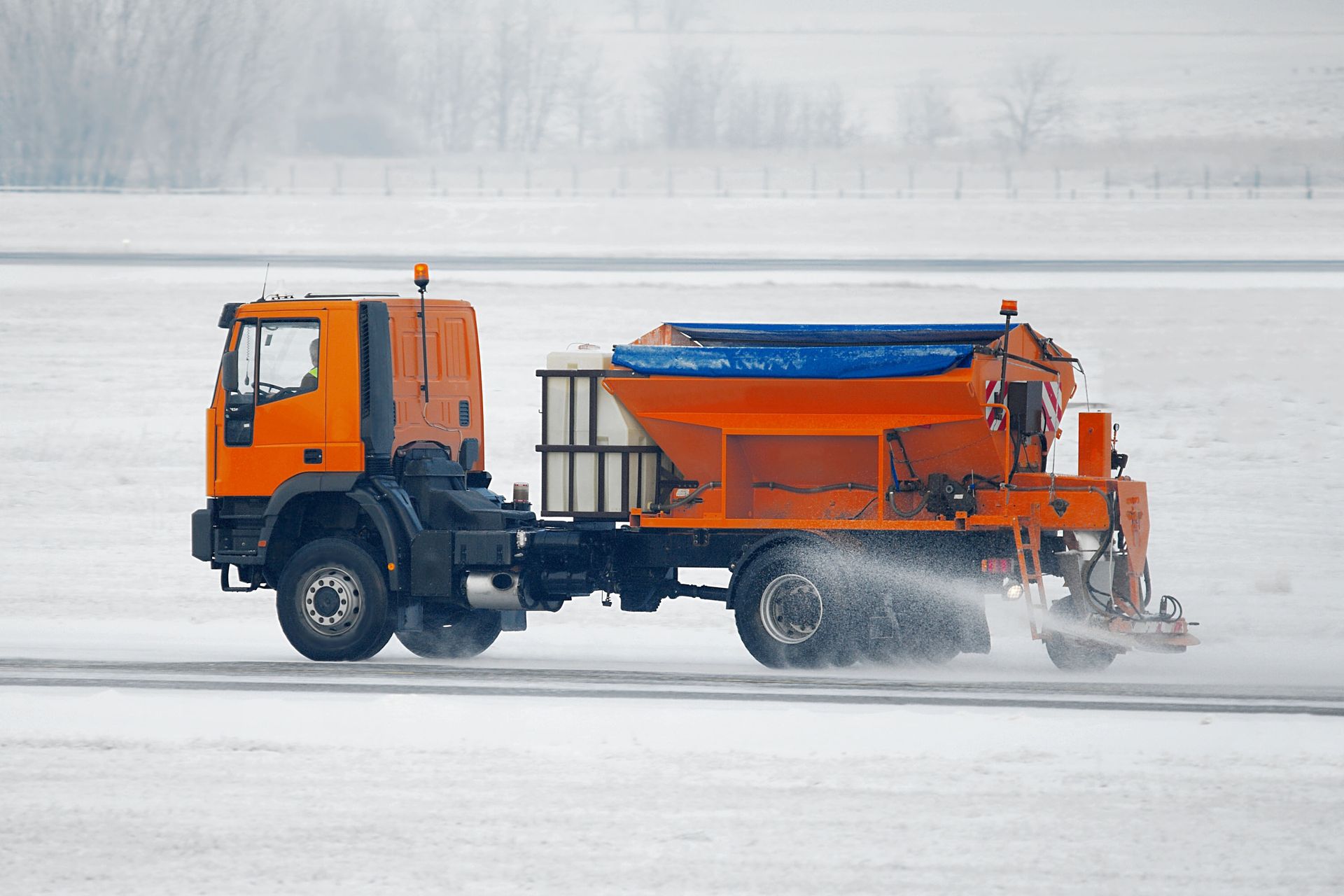
Application techniques play a significant role in deicer efficiency. Brine is typically sprayed onto surfaces, allowing for precise and uniform coverage. Rock salt is broadcast via spreaders, creating a more scattered pattern that can leave gaps. Precision in brine application is only possible when equipment is functioning correctly, emphasizing the importance of brine equipment service.
Well-maintained brine systems ensure even distribution, prevent overuse, and optimize material efficiency. Strategic use of brine for pre-treatment, combined with rock salt for post-event treatment, provides comprehensive coverage while minimizing waste and environmental impact.
Evaluate Cost Considerations
Cost plays a major role in deicer selection. Rock salt is budget-friendly and widely available, making it ideal for large-scale applications. Brine may have higher upfront costs due to equipment and preparation but offers long-term savings through efficient usage and reduced material waste. Regular brine equipment service reduces repair costs, prevents downtime, and ensures that the investment in equipment is protected over time.
By balancing initial expenditures with ongoing operational costs, organizations can optimize winter maintenance strategies. Well-serviced brine systems allow for controlled, efficient application, ultimately saving money and improving safety outcomes.
Choosing between brine and rock salt involves more than just chemistry—it requires careful consideration of environmental impact, temperature ranges, speed of action, and longevity. Brine offers immediate effectiveness and precise application, while rock salt provides cost-effective, long-lasting performance in colder conditions. Across all scenarios, proper equipment maintenance is critical. Scheduled brine equipment service ensures reliability, accuracy, and efficiency, making winter operations smoother and safer.
For businesses or municipalities looking to maximize the effectiveness of winter deicing, trust in properly serviced brine systems is essential. Make sure your equipment is prepared to handle any winter challenge by scheduling regular
brine equipment service today. For expert assistance and reliable solutions, contact Brine Worx Equipment Sales and ensure your winter operations run safely and efficiently.