April 13, 2026
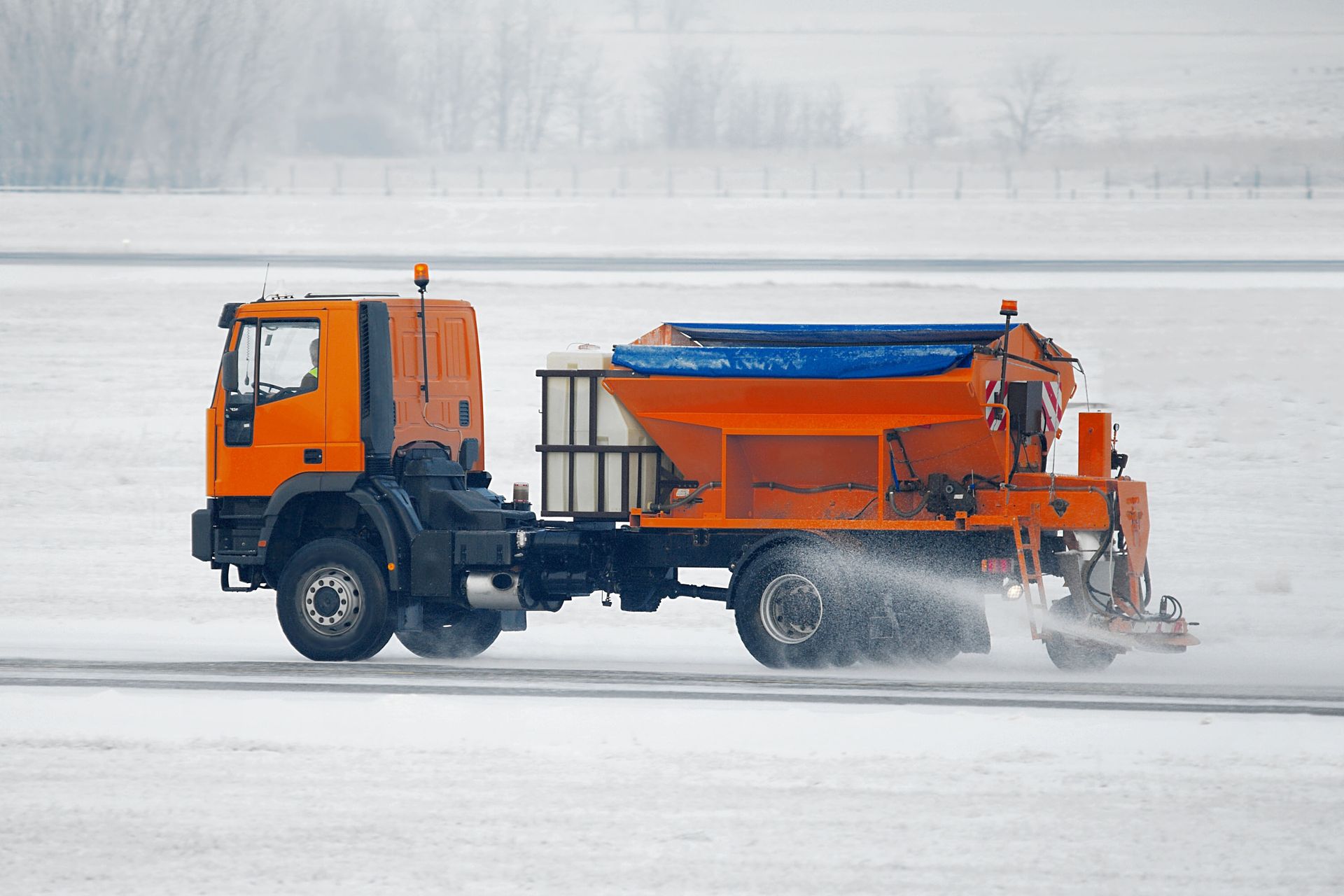
The onset of winter brings the perennial challenge of snow removal, crucial for maintaining functional infrastructure in both urban and rural setups. Traditional methods of snow removal, often reliant on granular road salt and manual labor, face drawbacks such as high operational costs and environmental impact. These challenges necessitate more efficient, cost-effective, and environmentally friendly solutions, especially for any snow removal company aiming to improve service quality. Enter brine equipment—a technology garnering attention for its ability to revolutionize snow management practices. Brine equipment is increasingly regarded as a game-changer, enhancing snow removal efficiency by reducing material use, cost, and environmental damage, making it a valuable investment for any snow removal company.
1. Cost-Effective Solutions
1.1 Lower Material Costs
Brine, primarily composed of a saltwater solution, significantly reduces the need for excessive material use. Conventional de-icing methods often involve spreading tons of rock salt to achieve desired results, which can be both costly and inefficient. The brine solution, on the other hand, utilizes a liquid application that covers a larger surface area with less material. Consequently, municipalities and private operators, including every snow removal company, see a reduction in their overall material costs. According to Market Reports World, the United States consumes over 20 million tons of road salt annually, comprising more than 40% of global de-icing salt use, highlighting the potential cost savings via brine solutions.
1.2 Reduced Labor Expenses
The application of brine is more efficient than traditional methods, leading to a notable decrease in labor expenses. Deploying a liquid solution requires fewer passes to achieve effective coverage compared to solid salt, reducing the number of hours spent by personnel on snow removal. This efficiency not only cuts labor costs but also allows for quicker reallocation of human resources to other critical areas during snow events, a major advantage for any snow removal company managing multiple sites. Additionally, automated brine spreading equipment minimizes the workforce required for operations, further driving down expenses. The streamlined process exemplifies the economic benefits of implementing a brine strategy in snow management.
1.3 Equipment Longevity
Using brine instead of traditional granular salt can prolong the life of snow removal equipment. The corrosive nature of rock salt often contributes to premature wear and tear of trucks, plows, and spreaders. Brine equipment, however, applies less abrasive materials and operates with greater precision, which is especially beneficial for a snow removal company maintaining a fleet of vehicles. This reduces the mechanical strain placed on machinery, consequently extending the service life of critical snow removal assets. By reducing equipment maintenance and replacement costs, operators can achieve substantial long-term savings.
1.4 Operational Efficiency
Operationally, brine allows for significantly faster snow clearing, which translates to additional cost savings. The liquid format of brine adheres to road surfaces more effectively, ensuring quicker action against anticipated snow and ice accumulation. This preemptive measure means roads are safer sooner, with less repeated action required compared to solid salt. The savings on fuel and labor through operational efficiency reinforce the cost benefits of brine for any snow removal company. Additionally, the decreased downtime for equipment and personnel results in a more streamlined snow and ice management operation.
1.5 Scalability
Brine solutions are highly scalable, allowing municipalities to tailor their application plans to specific size and budget constraints. Small towns with limited resources can employ brine methods effectively by investing in proportionately sized equipment, often through a local snow removal company. Conversely, large urban centers can integrate brine into comprehensive fleet operations, maximizing roadway coverage. The adaptability of brine methods means they can be employed in a variety of climatic conditions, supporting seasonal variance with ease. This scalability ensures the method's suitability regardless of geographic and financial scope.
2. Enhanced Road Safety
2.1 Faster Ice Melting
One key advantage of using brine is its ability to accelerate ice-melting processes on roadways. Traditional methods that rely on solid salt can take longer to dissolve, especially under harsh environmental conditions, delaying snow clearance. Brine's quick-acting liquid formula begins de-icing immediately upon application, greatly reducing ice bonding with the pavement. This ensures roads are safer for travel within a shorter time frame, lessening the potential for traffic accidents, which is a priority for any snow removal company. By maintaining consistent traction, brine improves public safety significantly during snowstorms.
2.2 Prevention of Black Ice
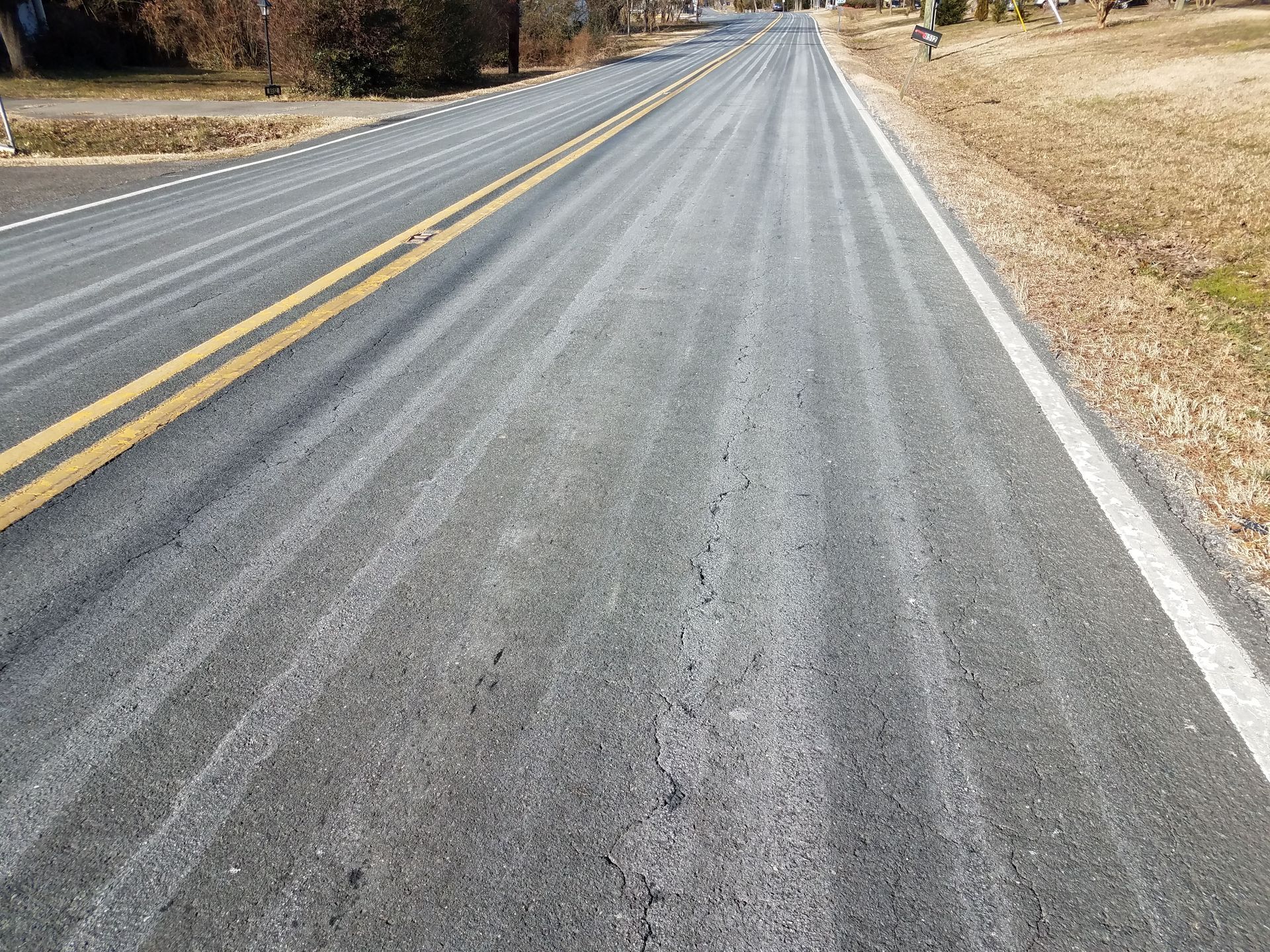
Black ice is a notorious hazard that occurs when a thin layer of ice forms on road surfaces, often invisible to drivers. Brine is an effective preventative measure, acting as a "pre-treatment" before snowfall to hinder ice from solidifying. By substantially reducing the conditions necessary for black ice formation, this proactive step enhances the safety of drivers and reflects the advanced approach taken by a snow removal company. The prevention aspect serves as a notable advantage over traditional methods, which respond rather than preempt. Communities benefit from fewer incidents attributed to these unseen hazards thanks to timely brine applications.
2.3 Consistent Application
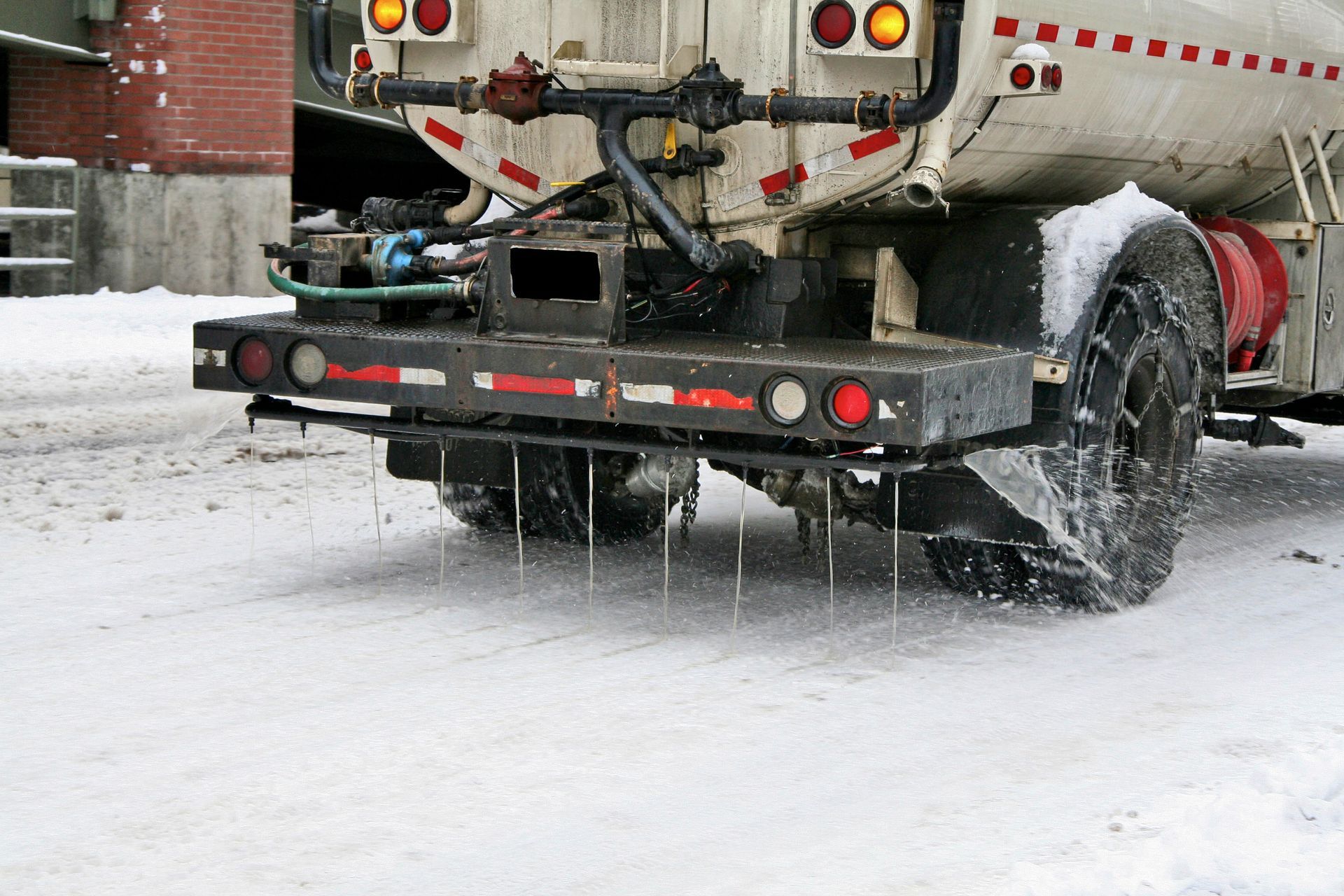
Brine's liquid nature allows for a more uniform application across road surfaces, essential for consistent traction. Conventional solid salts can scatter unevenly, leading to pockets of untreated, slippery surfaces. In contrast, brine spreaders deliver a steady flow that follows the contour of the terrain, ensuring comprehensive coverage. This consistency not only improves vehicular safety but also fosters a reliable driving experience, even in severe weather conditions, which is a key goal for any snow removal company. Subsequently, uniform de-icing translates to fewer accidents caused by abrupt changes in road conditions.
2.4 Reduced Freeze-Thaw Cycles
Freeze-thaw cycles, a common feature of wintry conditions, can lead to significant road damage like potholes. Brine helps mitigate these cycles by preventing ice from forming tightly on the road, reducing surface stress. By stabilizing the ground temperature, brine minimizes the expansion and contraction that typically compromise road integrity. As a result, municipalities and any snow removal company can save on frequent and costly road repairs caused by these damaging cycles. The durability of infrastructure can be maintained throughout the winter months.
3. Environmental Benefits
3.1 Reduced Salt Usage
Brine's application results in a dramatic reduction of salt required compared to granular methods. The high efficiency of liquid dispersal ensures less salt is wasted, minimizing environmental runoff into surrounding ecosystems. This reduction not only benefits municipal budgets but also helps preserve natural habitats adversely affected by excessive salinity. The ability to achieve effective snow management with less material highlights brine's eco-friendly credentials, making it an appealing option for any snow removal company focused on sustainability. By more than halving the salt needs, communities can protect water systems and local flora.
3.2 Lower Chloride Levels
Environmental sustainability is a growing concern in snow management, particularly the impact of high chloride levels in soil and water. Brine applications maintain lower chloride concentrations, cutting down on the harmful effects of road salt. Ecosystem health is preserved with these reduced levels, protecting aquatic life and soil fertility from degradation. This advantage positions brine as an environmentally conscious option for municipal authorities and any snow removal company seeking sustainable practices. By opting for brine, operators can better balance efficacy with ecological care.
3.3 Minimized Soil Damage
Conventional road salt can cause considerable harm to soil and vegetation bordering roads and highways. Brine minimizes this damage through its precise deployment and lower mineral content, safeguarding native plant communities. The implications for long-term land health are significant, preserving natural growth and reducing soil erosion risks. Lower salt deposition means plant life encounters fewer interruptions to growth cycles, an outcome valued by environmentally aware snow removal company operations. Sensitive ecosystems thrive with the more sustainable intervention provided by careful brine application.
3.4 Aquatic Protection
Road salt after rain or snowmelt contributes significantly to waterway contamination, posing risks to marine life. By employing less salt, brine imparts a positive impact on freshwater ecosystems, including lakes, rivers, and streams. Lower chloride levels protect aquatic species, ensuring biodiversity continuity and water health. The adaptation to this measure demonstrates an operational commitment to conserving regional waterways and reducing pollution rates, which is increasingly important for any snow removal company. Brine's environmental advantage makes it an appealing choice for environmentally responsible snow management.
Brine equipment fundamentally enhances snow removal efficiency, offering pivotal cost, safety, and environmental benefits. Its role in modernizing practices represents evolution, pushing for increased adoption in response to climate and operational challenges. Improved performance metrics affirm brine as a cutting-edge solution within practical snow management. As more jurisdictions and every forward-thinking
snow removal company embrace brine, the landscape of winter maintenance continues to transform towards greater sustainability and effectiveness. The widespread possibilities delivered by these systems secure their place in the future-ready toolkit. If you'd like to learn more about the advantages of snow removal and brine equipment, contact Brine Worx Equipment Sales today.