June 2, 2026
Managing frozen winter roads requires advanced planning and reliable material distribution strategies to protect the public. Ice accumulation on highways frequently causes severe traffic disruptions, slick surfaces, and dangerous collisions. Implementing a modern preventative strategy helps public works departments maintain safer driving conditions throughout the winter season.
Traditional methods of applying dry rock salt often fall short during intense blizzards and freezing rain events. Solid crystals scatter easily into roadside ditches, wasting expensive materials and harming surrounding ecosystems. Utilizing liquid application systems allows maintenance crews to treat critical transportation networks much more efficiently.
Choosing specialized liquid distribution machinery streamlines how state and local crews combat hazardous driving surfaces. This technological upgrade provides precise control over the exact amount of anti-icing solution applied to pavement. Making this shift significantly improves overall roadway safety while optimizing municipal winter maintenance budgets.
1. Preventing Ice Bond Creation
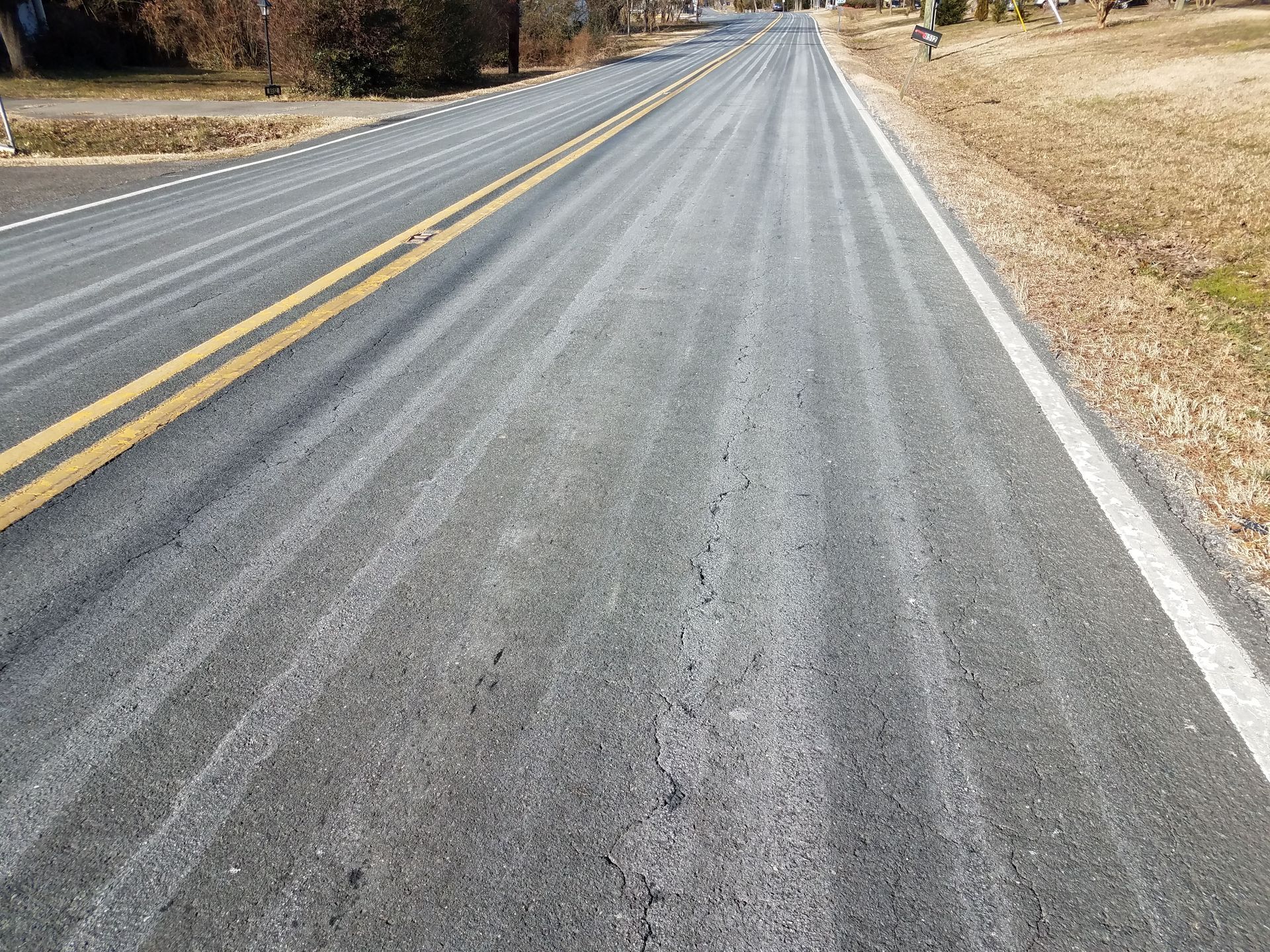
Applying a liquid anti-icing solution before a winter storm hits establishes a critical barrier directly on the asphalt. This protective liquid layer prevents freezing rain and packed snow from forming a hard, stubborn bond with the pavement. Snowplow operators can then clear the remaining slush off the highway far more easily.
According to data compiled by Market Reports World, rock salt—chemically known as sodium chloride—comprises nearly 85% of the total de-icing volume used globally. Transforming this prevalent solid mineral into a liquid solution maximizes its overall performance on frozen surfaces. This fluid barrier keeps the underlying road structure clear of hard ice sheets.
Relying entirely on post-storm clearing methods often forces crews to work against thick, compacted ice. Once ice bonds tightly to the street surface, removing it requires massive mechanical force and heavy chemical applications.
2. Speeding Up Melting Action
Dry salt crystals require ambient moisture from snow or humidity to dissolve into a reactive liquid slush. On dry, sub-freezing days, solid granules sit dormant on the cold asphalt without initiating any melting action. Utilizing active brine equipment ensures that the melting chemical reaction starts working the exact moment it hits the lane.
Liquid solutions activate immediately upon delivery to dissolve thin frost layers and prevent immediate snow accumulation. This rapid response time is vital for high-speed highway intersections and elevated bridge decks that freeze ahead of standard surface roads. Crews can maintain safe speed limits across the county by using these fast-acting liquid applicators.
Eliminating the delay inherent in solid chemicals minimizes the overall duration of hazardous road conditions. Drivers encounter far fewer surprise patches of black ice during early morning commutes when proactive liquids are deployed.
3. Reducing Material Scatter Waste
Solid rock salt bounces violently when dropped from moving dump trucks onto hard, frozen pavement. This bouncing action sends a massive portion of the expensive chemical directly into roadside grass and drainage ditches. Investing in specialized brine equipment anchors the anti-icing solution precisely where the vehicle tires travel.
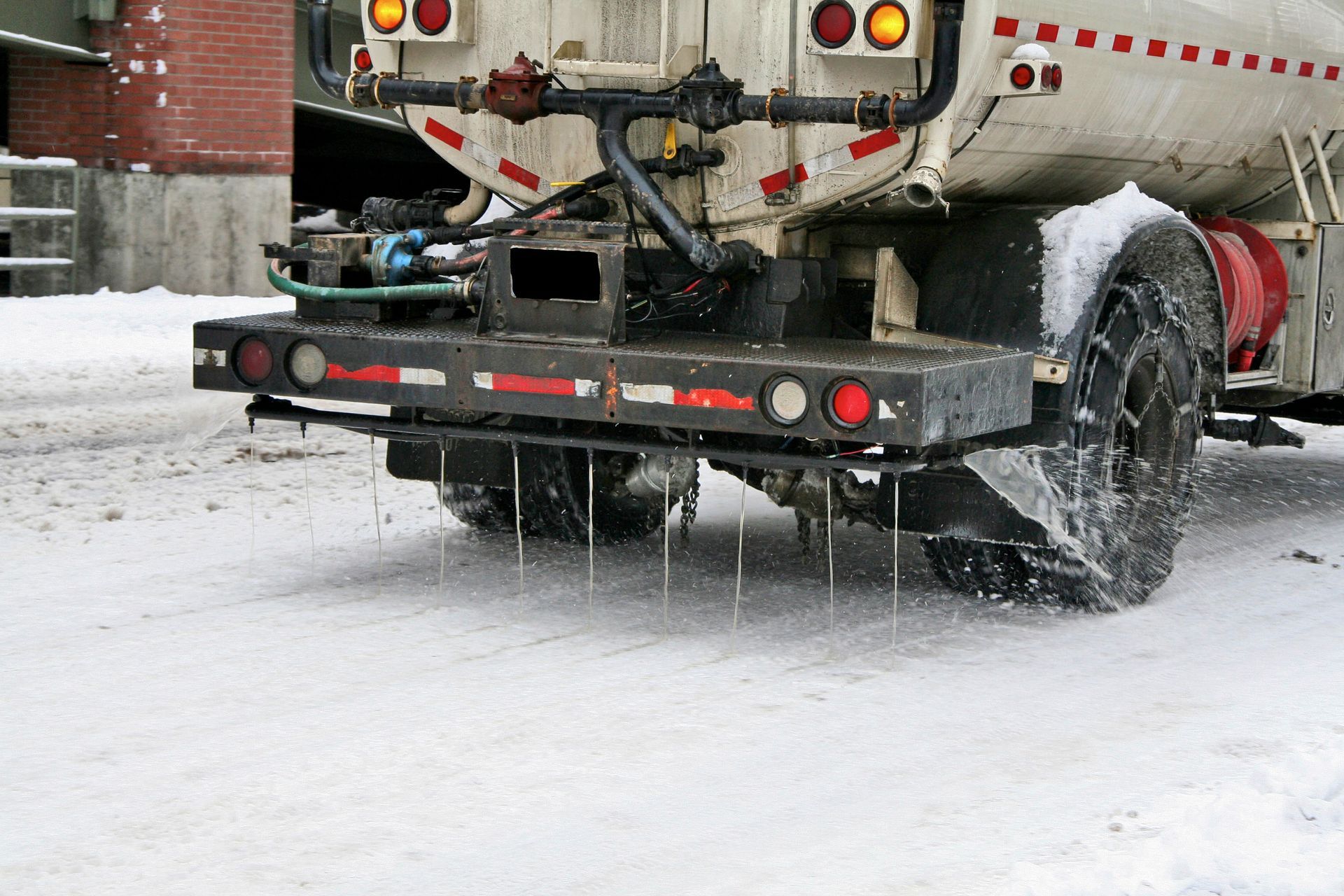
- Streamstream nozzles apply uniform liquid lines exactly where needed
- Targeted placement keeps melting chemicals out of fragile roadside vegetation
- Low-profile spray bars prevent wind from drifting the chemical solution away
- Controlled application eliminates hazardous low-traction piles of loose rock salt
Keeping the material concentrated on the driving lanes dramatically cuts down on overall chemical consumption. Municipalities can stretch their winter storage reserves through multiple consecutive storms without running out of critical melting agents.
4. Maximizing Fleet Fuel Efficiency
Traditional dump trucks carrying heavy loads of coarse rock salt consume immense amounts of diesel fuel during extended winter storms. Heavy salt spreaders must return frequently to central supply yards to reload their empty truck beds with solid minerals. Operating smart liquid brine equipment allows fleet managers to treat significantly more lane miles per single fill-up.
- High-capacity liquid tanks cover double the distance of traditional dry spreaders
- Efficient routing minimizes the total number of necessary reload trips
- Lighter fluid weights reduce overall mechanical wear on municipal truck chassis
- Continuous spraying operations keep plow trucks active on crucial main lines
Reducing the frequency of reload trips keeps essential clearing vehicles out on the streets during critical travel windows. Operators can complete entire route loops without interrupting their plowing momentum to search for more solid salt.
5. Lowering Corrosion Damage Risks
Over-applying solid rock salt leaves a highly corrosive residue that destroys vehicle undercarriages and steel bridge reinforcements. Solid crystals frequently get trapped in vehicle brake assemblies and body panels, accelerating rust formation. Deploying specialized brine equipment allows maintenance departments to achieve superior melting results using a fraction of the raw salt content.
Liquid applications introduce far less total chloride into the surrounding environment while matching the performance of heavy dry salt. This careful calculation protects expensive public infrastructure, concrete overpasses, and consumer vehicles from premature structural degradation.
Furthermore, liquid solutions dry into a fine, uniform film that resists blowing away into the wind. This thin coating continues to protect the roadway through multiple subsequent frost cycles without requiring additional heavy chemical dumps. Lowering the overall chemical volume preserves the structural lifespan of both the highway and the vehicles traveling on it.
6. Optimizing Variable Application Rates
Modern liquid distribution systems feature advanced digital controllers that adjust the spray output based on exact vehicle speed. This automated calibration ensures that a truck applies the identical amount of liquid per square yard whether idling or cruising. Fleet mechanics can calibrate this brine equipment to match specific pavement temperatures and storm intensities.
Standard mechanical spinners lack this delicate precision, often dumping massive mounds of salt when a truck stops at a red light. Automated liquid systems eliminate these wasteful and hazardous chemical dumps entirely through computerized valve management.
Fine-tuning the chemical delivery allows crews to respond dynamically to changing microclimates along their designated routes. Shaded valley roads or exposed ridge tops can receive targeted, heavier liquid applications without wasting material on clear sections.
7. Enhancing Lane Visibility Levels
Dry salt applications leave behind thick clouds of white dust that severely impair driver visibility during high-speed travel. This powdery residue also obscures crucial reflective lane markings, painted lines, and roadside shoulder indicators. Utilizing liquid brine equipment eliminates this hazardous airborne dust completely, keeping windshields clear and roadways highly visible.
Clean, damp asphalt reflects vehicle headlights much better than roads covered in chalky, dry chemical film. Drivers can clearly discern lane boundaries, upcoming turnouts, and potential road hazards from a safe stopping distance. Maintaining clear visibility is just as vital for preventing winter accidents as restoring physical tire traction.
Preventing dust accumulation also protects the advanced optical sensors and camera systems built into modern passenger vehicles. Automated lane-keep assist technologies and collision avoidance monitors operate flawlessly when the pavement remains clear of powdery chemical coatings.
8. Choosing Reliable Commercial Infrastructure
Upgrading to a dedicated processing setup allows public works departments to mix custom chemical batches on demand. Having total control over your blending source means you can adapt formulas instantly to combat subzero temperatures or heavy ice storms. Managing this commercial-grade brine equipment ensures your city is never left vulnerable to mid-season distributor supply shortages.
Automated storage setups track fluid levels continuously to eliminate guesswork during back-to-back winter weather emergencies. Crews can rapidly fill truck tanks and deploy to high-priority transit loops before road conditions deteriorate completely. Establishing this internal production loop provides complete independence from erratic bulk chemical shipping schedules.
Investing in advanced liquid application machinery protects your community from severe winter weather hazards while lowering overall operational costs. Our premier fleet solutions provide the exact storage tanks, blending systems, and spray bars required to optimize your winter maintenance strategy. Contact Brine Worx Equipment Sales today to upgrade your department with the highest quality liquid distribution systems available.